Fixing a Fridge That Won't Cool
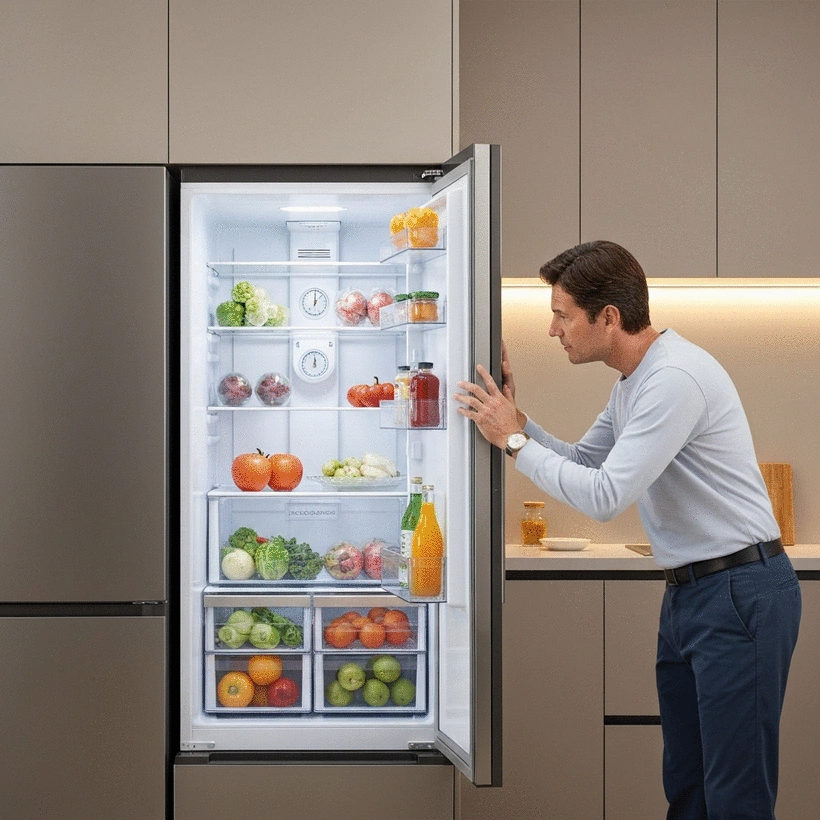
When your fridge suddenly goes warm, it can feel like a culinary disaster waiting to happen. With the potential for spoiled food and wasted groceries, knowing how to respond quickly is essential. This guide will help you identify common issues that might be causing your fridge to lose its cool and provide practical solutions to keep your food fresh.
What You Will Learn
- How to recognize the early signs of a malfunctioning fridge, such as unusual warmth or strange noises.
- Common causes of refrigeration failure, including thermostat malfunctions, evaporator fan issues, and refrigerant leaks.
- Effective troubleshooting techniques to address cooling problems without immediate need for professional help.
- When it's crucial to call in a professional technician, especially for complex issues like compressor failure or refrigerant leaks.
Common Causes of Refrigerator Failure & Troubleshooting Steps
This visual outlines the primary reasons a refrigerator might stop cooling and the initial steps to address these issues. Understanding these common problems can help in quick diagnosis and resolution. For more in-depth solutions, consider exploring our guide on how to fix a refrigerator that is not cooling.
Thermostat Malfunctions
Controls internal temperature. If faulty, it won't regulate cooling properly.
Diagnosis:
- Adjust temperature setting.
- Observe if internal temp changes.
Solution: May need replacement.
Evaporator Fan Issues
Circulates cool air. Malfunction causes uneven cooling or noise.
Diagnosis:
- Loud/unusual noise.
- Fridge not cooling evenly.
Solution: Clean dust; may need replacement.
Refrigerant Leaks
Essential for cooling. Leaks reduce cooling capacity significantly.
Diagnosis:
- Hissing sound.
- Puddles near unit.
Solution: Professional help recommended.
Compressor Problems
Pumps refrigerant. Failure leads to constant running without cooling.
Diagnosis:
- Fridge runs but doesn't cool.
- Hot compressor or excessive noise.
Solution: Expert evaluation needed.
Airflow Blockage
Good airflow is vital for optimal cooling and efficiency.
Diagnosis:
- Items blocking vents.
- Overcrowded shelves.
Solution: Organize fridge for free circulation.
General Troubleshooting Steps
Systematic checks to identify and resolve common issues.
Key Steps:
- Check temp settings.
- Inspect door seals.
- Clean condenser coils.
- Verify power supply.
- Consult user manual.
Understanding Common Reasons Why Your Fridge Isn't Cooling
When your fridge stops cooling, it can feel like a mini-crisis. You might face spoiled food, wasted groceries, and a lot of frustration! At Appliance Repair Pro, I understand how critical it is to quickly identify the problem to restore that essential appliance. Let’s dive into the signs that your refrigerator needs attention and the common causes behind cooling issues.
Identifying Signs Your Refrigerator Needs Attention
First things first: how do you know when your fridge is in trouble? Recognizing the signs early can save you from more serious damage down the line. Here are a few warning signs that it's time to investigate:
- Your fridge feels warm inside
- You notice strange noises, like buzzing or clicking
- Frost buildup on the inner walls or in the freezer
- Food is spoiling faster than usual
When you spot any of these signs, don’t ignore them! Acting quickly can help prevent further inconvenience. Remember, being proactive is key to maintaining your fridge's efficiency.
Common Causes of Refrigeration Failure
Understanding the root causes of fridge failure can empower you to tackle the issue head-on. Here are some of the most common culprits:
- Thermostat malfunctions
- Evaporator fan issues
- Refrigerant leaks
- Compressor problems
- Airflow blockage
Let’s break these down further so you can start diagnosing the problem.
Thermostat Malfunctions: How to Diagnose and Fix
The thermostat is like the brain of your fridge, controlling the internal temperature. If it’s malfunctioning, it may not regulate cooling properly. To check if your thermostat is faulty, start by adjusting the temperature setting and observing if the internal temperature changes. If not, it might be time to replace it!
Evaporator Fan Issues: Symptoms and Solutions
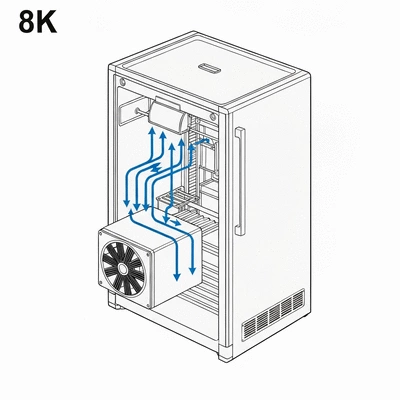
Your fridge relies on the evaporator fan to circulate cool air. If you hear a loud or unusual noise, or if the fridge isn't cooling evenly, the fan might be malfunctioning. A simple fix could be cleaning any dust and debris around the fan. If that doesn't work, it may need replacing.
Refrigerant Leaks: Signs and Temporary Fixes
Refrigerant is crucial for keeping your fridge cool. If you notice a hissing sound or find puddles of liquid near your unit, you could have a refrigerant leak. While it’s a good idea to temporarily switch off your fridge, always consult a professional at Appliance Repair Pro to handle refrigerant issues, as they require specialized skills and tools. Learn more about refrigerator repair costs for common issues.
Compressor Problems: How They Affect Cooling Performance
The compressor is the heart of your refrigerator, working hard to pump the refrigerant. If your fridge is constantly running but not cooling, the compressor may be failing. Look for signs like a hot compressor or excessive noise. If you suspect a compressor issue, it’s best to call in an expert for evaluation.
Identifying Airflow Blockage in Your Fridge
Good airflow is essential for optimal cooling. If items in your fridge are blocking vents or shelves are overcrowded, it can hinder airflow. Check to ensure that your fridge is organized so air can circulate freely. This simple step can significantly improve your fridge's performance!
Pro Tip
To enhance the efficiency of your fridge and prevent future cooling issues, regularly clean the condenser coils located at the back or underneath your appliance. Dust and debris can accumulate, causing your fridge to work harder and potentially leading to breakdowns. A simple clean every few months can extend the life of your appliance!
Frequently Asked Questions About Refrigerator Cooling Problems
What are the early signs that my fridge is malfunctioning?
Early signs include the fridge feeling warm inside, unusual noises (like buzzing or clicking), frost buildup on interior walls, and food spoiling faster than usual.
What are the most common causes of a refrigerator not cooling?
Common causes include thermostat malfunctions, evaporator fan issues, refrigerant leaks, compressor problems, and airflow blockages.
Can I fix a refrigerator cooling issue myself?
Many simple issues like airflow blockages, dirty condenser coils, or incorrect temperature settings can often be resolved with DIY troubleshooting. However, complex problems like refrigerant leaks or compressor failures require professional help.
When should I call a professional for fridge repair?
It's crucial to call a professional for refrigerant leaks, compressor issues, or electrical problems, as these can be complex and potentially dangerous to fix without specialized knowledge and tools.
How can I prevent future cooling issues with my fridge?
Regular maintenance, such as cleaning condenser coils every few months, ensuring proper airflow by not overcrowding the fridge, and checking door seals, can help prevent future cooling problems and extend your fridge's lifespan.
Summary of Troubleshooting Techniques for a Non-Cooling Fridge
In this section, we'll recap the essential troubleshooting techniques that can help you get your refrigerator back on track. When your fridge isn't cooling properly, it's important to approach the problem methodically. Here’s a quick summary of the key steps you should follow:
- Check the temperature settings to ensure they're in the correct range.
- Inspect the door seals for any gaps that could let cold air escape.
- Evaluate the condenser coils and clean any dirt or obstructions.
- Test the power supply and ensure circuit breakers are functioning.
- Refer to the user manual for specific troubleshooting advice.

By systematically working through these troubleshooting techniques, you can often identify the issue without needing to call for professional help. However, if the problem persists, don’t hesitate to reach out!
Final Thoughts on DIY Repairs and Professional Help
It’s rewarding to troubleshoot and fix your own fridge issues. But remember, knowing when to call in the professionals is just as important! I’ve seen many homeowners take on repairs only to find themselves in over their heads. While DIY repairs can save money, they can also lead to more significant problems if not handled correctly.
Always weigh the complexity of the problem against your skills and comfort level. If you're facing any of the following, it might be time to call in a pro:
- Refrigerant leaks that require specialized tools and knowledge.
- Compressor issues that can affect overall cooling performance.
- Electrical problems that may pose safety risks.
In such cases, reaching out to Appliance Repair Pro can save you time and provide peace of mind with reliable service. Our team is always ready to assist you with any refrigerator repair needs!
Get Help When You Need It: Connecting with Local Experts
How to Find Emergency Appliance Repair Services
When your fridge stops cooling, time is of the essence! Finding emergency appliance repair services in your area is crucial for preventing food spoilage and getting back to your routine. Here's how you can quickly locate a reliable service:
- Search online for "appliance repair near me" to find local options.
- Check reviews and ratings on platforms like Google or Yelp.
- Ask friends or family for recommendations based on their experiences.
- Contact local repair companies to inquire about their availability for urgent repairs.
Taking these steps can help you secure fast and effective assistance when you need it most. Remember, Appliance Repair Pro specializes in rapid repairs, ensuring your home is back to normal in no time!
Encouraging Readers to Share Their Experiences and Questions
Your experiences matter! If you've dealt with a non-cooling fridge or have questions about appliance repairs, I encourage you to share in the comments below. Hearing from others not only builds community but can also provide insights that may help someone facing similar challenges.
Importance of Customer Support in Appliance Repair
At Appliance Repair Pro, we understand that having a malfunctioning fridge can be stressful. That’s why we prioritize customer support alongside our repair services. Our team is here to listen, provide guidance, and share tips that empower you to handle your appliance issues with confidence.
So, if you have any questions or stories to share, don’t hold back—join the conversation! Together, we can navigate the world of appliance repair and keep our homes running smoothly.
Recap of Key Points
Here is a quick recap of the important points discussed in the article:
- Identify signs your refrigerator needs attention, such as warmth inside or strange noises.
- Common causes of cooling failure include thermostat malfunctions, evaporator fan issues, and refrigerant leaks.
- Proactively check temperature settings, door seals, and condenser coils to troubleshoot cooling problems.
- Know when to call in a professional, especially for refrigerant leaks or compressor problems.
- Seek emergency appliance repair services quickly to prevent food spoilage.