Washing Machine Drain Issues Explained
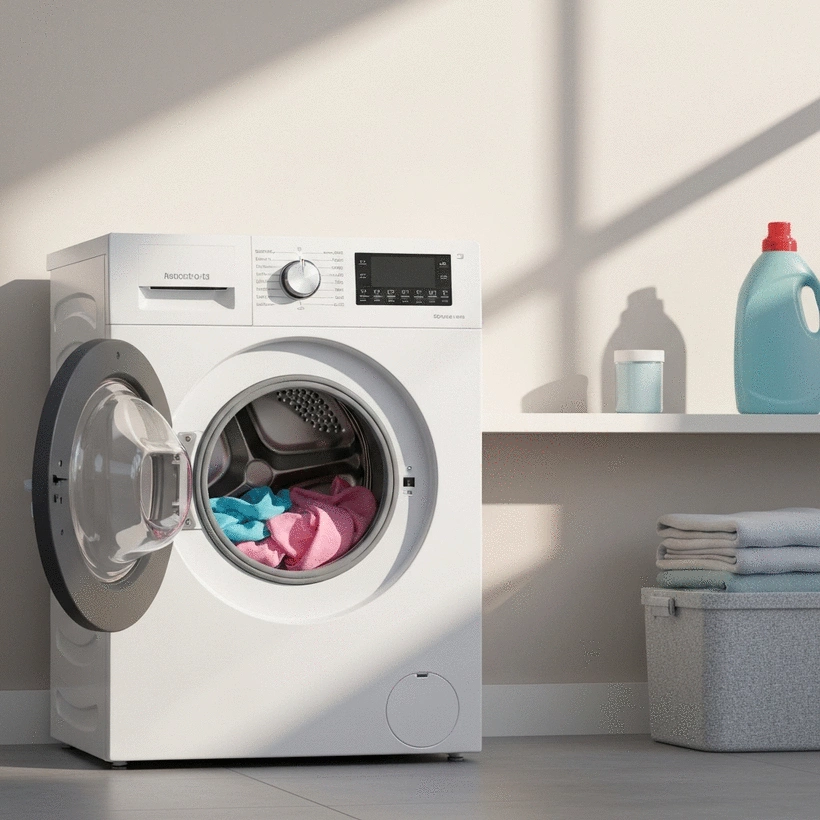
When your washing machine refuses to drain, it can disrupt your household routine. Understanding the common issues behind this problem is the first step to finding a solution. Let's dive into the essential lessons you can learn from this guide!
What You Will Learn
- Common causes of washing machine drainage issues include clogged hoses, blocked pump filters, and faulty drain pumps.
- Regular maintenance, such as clearing the drain hose and cleaning the pump filter, can prevent significant problems.
- Overloading your washing machine can strain the system, affecting both drainage and performance.
- Understanding when to attempt DIY fixes versus when to seek professional help is crucial for successful repairs.
Common Washing Machine Drainage Issues & Solutions
Here's a breakdown of common washing machine drainage problems, categorized by typical solutions:
DIY Fixes (Simple)
- ✓Clogged Drain Hose
- ✓Blocked Pump Filter
- ✓Kinked Hose
- ✓Overloaded Machine
Easy to resolve yourself.
Professional Assistance (Complex)
- ⚠Faulty Drain Pump
- ⚠Lid/Door Switch Issues
- ⚠Plumbing Problems
Recommended for technicians.
Understanding the Problem of Washing Machines Not Draining
When your washing machine refuses to drain, it’s more than just an inconvenience—it can disrupt your entire household routine! Homeowners in Sydney often face this issue, leading to frustration and confusion. But don’t worry; I’m here to help you understand why this happens and how you can resolve it. For more detailed information on common appliance issues, check out our guide on common appliance issues and how to fix them.
From clogged hoses to malfunctioning components, there are many reasons your washing machine might fail to drain properly. It’s essential to identify the root cause so you can take the right steps toward a solution. Here’s a closer look at what you might be dealing with.
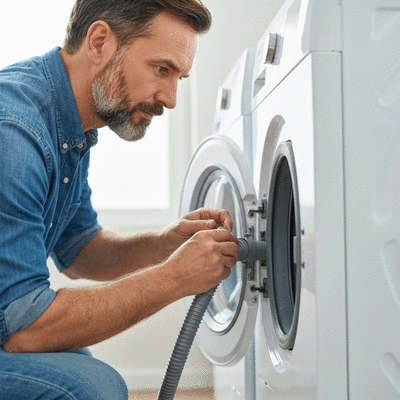
Why Your Washing Machine Might Be Failing to Drain
Understanding the common problems can save you time and money. Below are some typical issues that might be causing your drainage trouble:
- Clogged drain hose: Often the first suspect when draining issues arise.
- Blocked pump filter: Debris can accumulate and affect efficiency.
- Faulty drain pump: If it isn’t working, water will simply sit in the drum.
- Kinked hose: A simple twist can prevent water from flowing properly.
- Overloaded machine: Too much laundry can strain the system and affect drainage.
- Lid or door switch issues: If the machine thinks the door is open, it won’t drain!
- Plumbing problems: Sometimes, the issue lies deeper in your home’s plumbing system.
Recognizing these common causes helps you pinpoint the issue quickly. If you suspect any of these, don’t hesitate to take action!
Identifying the 7 Common Causes of Drainage Issues
1. Clogged Drain Hose: A Common Culprit
One of the most frequent causes of drainage issues is a clogged drain hose. It’s essential to check for clogs regularly to maintain functionality. Here’s how you can do it:
- Unplug your washing machine for safety.
- Locate the drain hose—usually found at the back of the machine.
- Inspect the hose for any visible blockages or kinks.
- If it’s clogged, gently remove the blockage using a long, flexible tool or a plumber's snake.
By keeping the drain hose clear, you can avoid unnecessary strain on your washing machine and keep it running smoothly!
2. Blocked Pump Filter: Clear It for Better Drainage
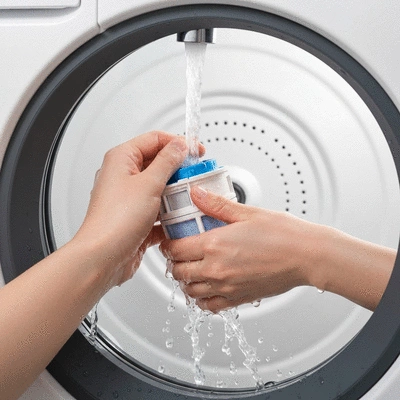
Your washing machine has a pump filter that can become blocked over time. This can lead to drainage issues and should be checked regularly. Follow these steps to locate and clean it:
- Turn off and unplug your washing machine.
- Find the filter, which is typically located at the front bottom.
- Open the filter cover and remove the filter carefully.
- Rinse it under warm water to remove any debris.
- Replace the filter and ensure it's securely fastened.
Cleaning the pump filter not only improves drainage but also enhances the overall performance of your appliance.
3. Faulty Drain Pump: Signs It Needs Replacement
A malfunctioning drain pump can be a significant issue. If you notice that water remains in the drum after a cycle, it could be time to check the pump. Here are some signs it might need replacement:
- No noise from the pump during the drain cycle
- Unusual sounds like grinding or buzzing
- Water leaks around the pump area
- Visible wear or damage to the pump unit
If you suspect a problem with the drain pump, it’s wise to consult a qualified technician to determine if it needs replacing. At Appliance Repair Pro, we can help diagnose and fix these issues quickly!
4. Kinked Hose: Simple Fixes for a Common Mistake
Kinked hoses are easy to overlook but can be a significant reason for drainage problems. To check for kinks, inspect the hose all the way from the back of the machine to the drain. Here’s how to fix it:
- Ensure the hose is attached correctly at both ends.
- Adjust any twists or bends to allow for smooth water flow.
- Test the machine to see if it drains properly after adjustments.
Taking a moment to inspect the hose can save you from more significant issues down the line! For effective solutions to common appliance problems, read our guide on effective solutions for common appliance problems.
5. Overloaded Washing Machine: Balancing Your Load
Overloading your washing machine might seem like a time-saver, but it can actually hinder drainage and performance. Here are tips to avoid this issue:
- Check the manufacturer’s load capacity guidelines.
- Distribute clothing evenly in the drum.
- Separate heavy items from lighter ones to maintain balance.
By ensuring a balanced load, you can enjoy better washing results and prolong your machine's lifespan!
6. Lid or Door Switch Issues: Ensuring Proper Function
If your washing machine isn’t draining, it could be due to a faulty lid or door switch. This switch tells the machine whether the door is closed. Here’s how to check:
- Test the switch by pressing it manually—listen for a click.
- Inspect for visible damage or wear on the switch.
- If necessary, consult a professional for repairs or replacements.
Keeping your lid or door switch in good working order is essential for proper machine operation!
7. Plumbing Problems: When to Call a Professional
Sometimes, the issue lies within your home's plumbing rather than the washing machine itself. Here’s how to identify plumbing problems:
- Check for slow drainage in other fixtures—this could indicate a larger plumbing issue.
- Look for leaks or standing water anywhere near the washing machine.
- If you suspect a problem, it’s best to consult a licensed plumber.
At Appliance Repair Pro, we’re ready to assist you with plumbing issues and ensure your entire system is functioning smoothly!
Pro Tip
Did you know that regularly checking and maintaining your washing machine can extend its lifespan significantly? Simple actions like cleaning the pump filter and inspecting the drain hose can save you from costly repairs down the line. Make it a habit to perform these checks every few months!
Taking Action After Identifying the Problem
Once you've pinpointed the issues with your washing machine not draining, the next step is crucial: deciding whether to tackle the problem yourself or call in a professional. Some issues can easily be fixed with a bit of DIY effort, while others may require the expertise of a qualified technician. Let’s break down when it’s wise to attempt a fix on your own versus when to reach out for assistance.
When to Attempt DIY Fixes vs. Seeking Professional Help
It’s tempting to dive into repairs, especially when you want to save on costs. However, knowing your limits is essential. Here are some guidelines to help you make that decision:
- Simple repairs: If the problem is related to a clogged drain hose or a blocked pump filter, you can typically handle these issues yourself with minimal tools.
- Complex problems: If the drainage issues seem to stem from a faulty drain pump or require extensive disassembly, it’s best to call a professional.
- Safety concerns: If you’re uncomfortable working with electrical components or water connections, don’t hesitate to seek help.
Remember, while DIY solutions can save you money, they can also lead to further complications if not done correctly. Always weigh the pros and cons! For advice on when to repair or replace your washing machine, see our article on washing machine repair vs. replacement.
DIY Guides for Common Washing Machine Repairs
If you decide to go the DIY route, I've compiled some simple steps for common repairs that can save you both time and money:
- Check the Drain Hose: Start by disconnecting the hose from the washing machine. Inspect for any kinks or clogs. Use a long brush or a straightened coat hanger to clear out debris.
- Clean the Pump Filter: Locate the pump filter, usually accessible at the front of the washing machine. Open it slowly to avoid spills and remove any lint or blockages.
- Test the Lid Switch: Lift the lid and listen for a click. If you don’t hear it, the switch may be faulty. You can use a multimeter to check for continuity and replace it if necessary.
By following these steps, you can often resolve common washing machine issues without needing to call in Appliance Repair Pro for help. But if your appliance continues to struggle, don’t hesitate to reach out! Our qualified technicians are just a call away, ready to provide fast and reliable service when you need it most.
Frequently Asked Questions (FAQs)
What are the most common reasons a washing machine won't drain?
The most common reasons include a clogged drain hose, a blocked pump filter, a faulty drain pump, a kinked hose, an overloaded machine, issues with the lid/door switch, or underlying plumbing problems.
How often should I clean my washing machine's pump filter?
It's recommended to check and clean your washing machine's pump filter every few months, or more frequently if you notice drainage issues or wash items that produce a lot of lint/debris.
Can an overloaded washing machine cause drainage problems?
Yes, an overloaded washing machine can strain the system, making it difficult for the water to drain effectively and potentially leading to performance issues and drainage problems.
When should I call a professional for a washing machine drainage issue?
You should call a professional if you suspect a faulty drain pump, if the issue involves complex electrical components like the lid/door switch, if there are underlying plumbing problems, or if you're uncomfortable attempting DIY repairs.
Are there any simple DIY fixes I can try for drainage problems?
Yes, simple DIY fixes include unplugging the machine and checking for clogs or kinks in the drain hose, and locating and cleaning the pump filter of any accumulated debris.
Recap of Key Points
Here is a quick recap of the important points discussed in the article:
- Identify Common Issues: Look for clogged drain hoses, blocked pump filters, faulty drain pumps, kinked hoses, overloaded machines, lid or door switch issues, and plumbing problems.
- Regular Maintenance: Regularly inspect and clean the drain hose and pump filter to prevent drainage issues.
- Know When to DIY: Simple repairs like unclogging hoses and cleaning filters can be done at home, but complex issues should be handled by professionals.
- Balance Your Loads: Ensure laundry loads are balanced to avoid overloading the machine, which can lead to drainage problems.
- Seek Professional Help: For persistent issues or if you're uncomfortable with repairs, don't hesitate to call a qualified technician.