Troubleshooting Common Dryer Issues
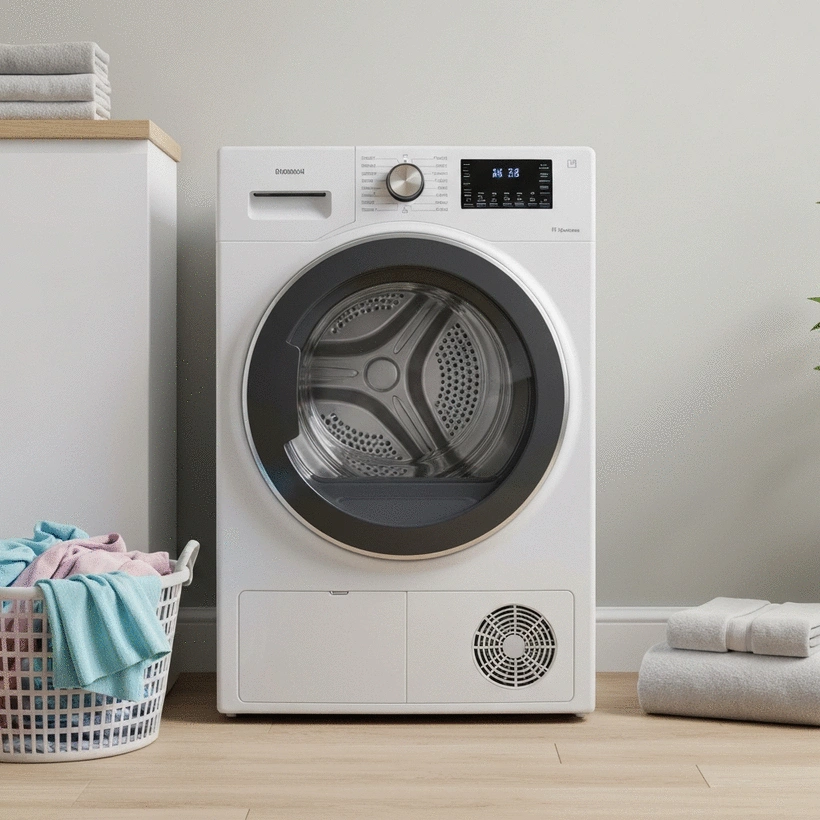
Ever found yourself dealing with a malfunctioning dryer and felt completely lost? You're not alone. Many homeowners experience the frustration of appliance issues without knowing where to start. Fortunately, understanding common dryer problems and their solutions can significantly ease your stress and save you time and money.
What You Will Learn
- How to identify common symptoms of dryer malfunctions, such as strange noises and inconsistent drying.
- The benefits of DIY troubleshooting, including cost savings and increased confidence for homeowners.
- Step-by-step solutions for resolving frequent dryer issues, from no heat to excessive noise.
- Essential proactive maintenance tips that can extend the lifespan of your dryer and prevent costly repairs.
Common Dryer Problems and Solutions
This visual summarizes key troubleshooting insights for common dryer issues, helping homeowners quickly identify and address problems. For a deeper dive into extending the life of your appliances, consider reading our guide on Appliance Care Tips.
Dryer Not Heating
Check the heating element and ensure the thermostat is functioning properly.
Loud Noises
Inspect for worn parts, paying special attention to the drum and belt.
Dryer Not Turning On
Verify all electrical connections, including door switches.
Drum Not Turning
Examine the idler pulley and drum rollers for wear.
Understanding Common Dryer Issues and Solutions
As a homeowner, dealing with a broken appliance is never fun, especially when it comes to your dryer. I’ve seen many families struggle when their dryer suddenly stops working, and knowing the common issues can save you a lot of headaches. In this section, I’ll help you understand how to identify typical dryer problems and provide effective solutions that can get your appliance back on track!
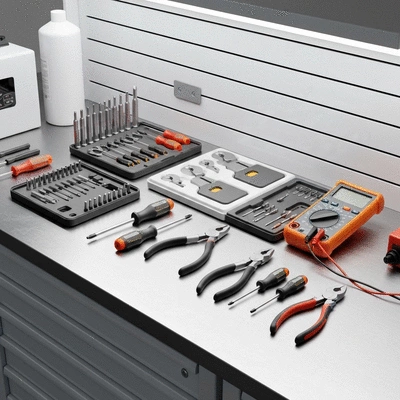
Identifying the Symptoms of Dryer Problems
Recognizing Signs of a Malfunctioning Dryer
When your dryer begins to act up, the first step is to recognize the signs. Common symptoms can range from unexpected noises to failure to dry clothes completely. Pay attention to these indicators:
- Strange noises: Grinding, thumping, or squeaking sounds
- Irregular temperatures: Clothes coming out either too hot or completely damp
- Failure to start: No response when you press the start button
By identifying the symptoms early, you can often address the issue before it escalates and causes further damage. Trust me, the sooner you catch it, the better!
Common Symptoms: No Heat, Excessive Noise, and More
There are a few frequent problems that can arise with dryers, and knowing them can make troubleshooting much easier. Here’s a quick look at some common symptoms:
- No heat: Your dryer runs but the clothes aren’t drying.
- Excessive noise: Loud sounds that disrupt your daily routine.
- Drum won't turn: The dryer seems powered but isn’t functioning.
If you encounter any of these issues, don’t hesitate to dive into some troubleshooting or call a reliable service like Appliance Repair Pro for help! To learn more about tackling common household issues, explore our resources on DIY Home Repairs.
Why DIY Troubleshooting is Beneficial
Cost-Effectiveness of Home Repairs
One of the first thoughts that come to mind when appliances fail is the cost of repairs. While professional help is often necessary, DIY troubleshooting can save you money in many cases. I’ve found that most homeowners can handle basic checks and fixes, particularly with a bit of guidance. Performing simple repairs yourself can alleviate the financial burden that comes with *professional service calls*.
Empowering Homeowners with Knowledge
Being able to troubleshoot your dryer not only saves money but also empowers you as a homeowner. Knowledge is power! When you understand how your dryer works, you can quickly identify issues and make informed decisions about whether to repair or replace. This hands-on approach makes you more confident in managing your home, and I’m here to help you build that confidence!
Step-by-Step Troubleshooting for Common Dryer Problems
Now that we’ve covered identifying symptoms and the benefits of DIY troubleshooting, let’s dive into specific step-by-step solutions for common dryer issues. Having a clear plan can make the process much smoother and ensure your dryer gets back to work quickly!
Pro Tip
Did you know? Regularly cleaning your dryer’s lint trap not only improves efficiency but also significantly reduces the risk of fire hazards. Make it a habit to check and clean the lint trap after every load, ensuring your dryer operates safely and effectively!
Summarizing Key Troubleshooting Insights for Your Dryer
After diving into common dryer problems, it’s important to have a quick reference guide to keep at your fingertips. Knowing how to troubleshoot effectively can save you time and hassle when your dryer isn’t performing as expected. Here, I’ve crafted a handy checklist that summarizes the key issues and solutions we've discussed.

Quick Reference: Common Problems and Solutions
Creating a Handy Checklist for Homeowners
Here’s a straightforward checklist to help you quickly identify and address common dryer problems:
- Dryer Not Heating: Check the heating element and ensure the thermostat is functioning properly.
- Loud Noises: Inspect for worn parts, paying special attention to the drum and belt.
- Dryer Not Turning On: Verify all electrical connections, including door switches.
- Drum Not Turning: Examine the idler pulley and drum rollers for wear.
- Dryer Too Hot: Check ventilation systems for blockages and understand the role of the thermostat.
With this list, you can effectively tackle those annoying dryer issues that pop up from time to time. It’s all about equipping yourself with the right knowledge!
Encouraging Proactive Maintenance for Longevity
Staying ahead of dryer problems can prevent those stressful situations when you need your appliance the most. By practicing regular maintenance, you can keep your dryer running smoothly and efficiently. Here’s how:
How Regular Care Can Save Time and Money
- Clean Lint Traps: Make it a habit to clean the lint trap after every use.
- Inspect Vents: Schedule regular vent cleanings to avoid blockages.
- Check for Wear: Regularly inspect parts for signs of wear and tear.
Taking these small steps can significantly improve your dryer's lifespan and save you from costly repairs down the road. Trust me, proactive care can go a long way!
Building a Sustainable Home Repair Routine
Creating a structured routine for appliance maintenance doesn’t have to be overwhelming. Start by setting reminders in your calendar for routine checks and cleanings. This might include:
- Monthly lint trap cleaning
- Quarterly vent inspections
- Annual professional inspections
By incorporating these practices, you’ll not only prolong the life of your dryer but also have peace of mind knowing that you’re staying on top of your home repairs. For more detailed maintenance advice, check out our article on Home Maintenance Checklist.
Recap of Key Points
Here is a quick recap of the important points discussed in the article:
- Identify Symptoms: Look for signs like strange noises, irregular temperatures, or failure to start.
- Common Problems: Be aware of issues like no heat, excessive noise, and a drum that won't turn.
- DIY Troubleshooting: Save money by performing basic repairs and understanding your dryer’s operation.
- Maintenance Tips: Regularly clean lint traps, inspect vents, and check for wear to prolong your dryer’s lifespan.
- Structured Routine: Set reminders for routine checks and cleanings to stay ahead of potential issues.
Frequently Asked Questions About Dryer Problems
- Q: What are the most common signs of a malfunctioning dryer?
- A: Common signs include strange noises (grinding, thumping), irregular temperatures (clothes too hot or damp), and the dryer failing to start when the button is pressed.
- Q: Can I troubleshoot dryer problems myself to save money?
- A: Yes, many basic dryer issues can be identified and often fixed through DIY troubleshooting, which can save you the cost of a professional service call. Understanding how your dryer works empowers you to make informed decisions.
- Q: What should I do if my dryer is running but not heating up?
- A: If your dryer runs but doesn't heat, you should check the heating element and ensure the thermostat is functioning correctly. Blocked dryer vents can also cause this issue.
- Q: How often should I clean my dryer's lint trap and vents?
- A: You should clean the lint trap after every single load to maintain efficiency and prevent fire hazards. Dryer vents should be inspected and cleaned regularly, ideally quarterly, to prevent blockages.
- Q: What are some proactive maintenance tips to extend my dryer's lifespan?
- A: Regular maintenance includes cleaning lint traps after every use, inspecting and cleaning vents regularly, and checking parts for signs of wear and tear. Establishing a routine for these tasks can significantly improve your dryer's longevity.