Troubleshoot Washing Machine Leaks Easily
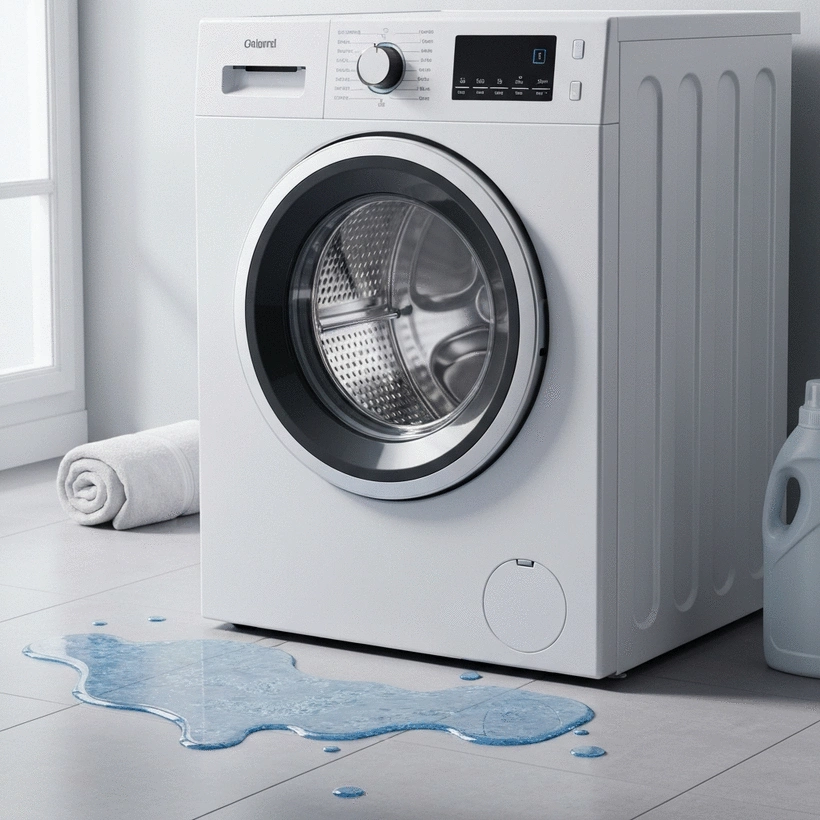
Did you know that a simple inspection can save you from a major washing machine disaster? Understanding the common causes of leaks is crucial for maintaining your household appliances efficiently.
What You Will Learn
- Clogs and kinks in the drain hose are major causes of leaks; regular checks can prevent backups.
- Damaged inlet hoses and loose connections can lead to significant water leakage; ensure they are secure and intact.
- The water inlet valve must be inspected regularly, as a malfunction can result in unwanted leaks.
- Internal components, such as clogged pump filters or damaged water pumps, also require attention to avoid leaks.
- Regular maintenance and quick diagnostics can help identify problems early, saving you time and money.
- Understanding your specific washing machine model can enhance your troubleshooting efforts significantly.
- A worn door seal can allow water to escape; regularly inspect and replace it if damaged.
Understanding Washing Machine Leak Causes
This visual outlines the common reasons for washing machine leaks, categorized by external and internal components, and highlights key areas for inspection and maintenance. For more insights into how to address these issues, check out our guide on washing machine drain issues explained.
External Components Leading to Leaks
Drain Hose Issues
Clogs or kinks cause water backup.
Inlet Hose Problems
Damaged or loose connections.
Water Inlet Valve
Malfunctioning leads to uncontrolled flow.
Internal Components & Seals
Pump Filter Clogs
Prevents proper water drainage.
Water Pump Damage
Causes leaks or inefficient water removal.
Door Seal/Gasket
Wear, cracks, or improper alignment.
Overflow Tube
Clogged or damaged, prevents overflow control.
Understanding the Causes of Washing Machine Leaks in Australian Households
When it comes to washing machines, a leak can quickly turn into a household nightmare! As someone who has spent over a decade in appliance repair, I’ve seen how common issues can disrupt daily routines. It's essential to understand the causes behind these leaks to effectively address them.
From clogged hoses to faulty seals, there are several reasons why your washing machine might be leaking. Let’s dive into the most common culprits you might encounter in your home.
Common Reasons for Washing Machine Leaking Water
Identifying why your washing machine is leaking starts with an inspection of its components. Here are some of the usual suspects:
- Clogs and kinks in the drain hose
- Damaged or loose inlet hoses and connections
- Malfunctioning water inlet valves
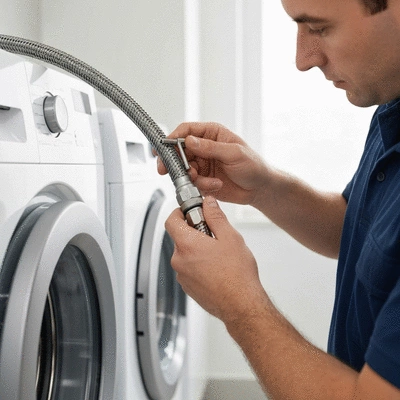
Each of these issues can lead to unexpected water leakage, potentially damaging your flooring or other appliances. Let’s take a closer look at these components.
Inspecting the Drain Hose: Clogs and Kinks
First up, check the drain hose! This hose carries water away from your washing machine. If it gets clogged or kinked, it can cause water to back up and leak. Ensure it is securely attached and free of any blockages. A simple inspection can often save you from bigger headaches later on.
Remember, a clogged drain hose is a common issue that can be fixed with just a little effort!
Identifying Issues with the Inlet Hose and Connections
Next, take a look at the inlet hose. This is the hose that brings water into your washer. If it’s damaged or improperly connected, it can lead to leaks. Check for wear and tear, and make sure the connections are tight. Replacing a faulty inlet hose is usually straightforward and can prevent future leaks. Sometimes, the signs you need washer repair are quite obvious, such as persistent leaks despite these checks.
Understanding the Function of the Water Inlet Valve
The water inlet valve controls the flow of water into the machine. If it becomes faulty, it can result in leaks as well. Regularly inspect this valve for any signs of wear or damage. A malfunctioning valve might require a replacement, but don’t worry! Our technicians at Appliance Repair Pro can help you with that!
Evaluating Internal Components: Pump Filters and Water Pumps
Now that we’ve covered the external components, it’s time to look inside the machine. Internal issues can also cause leaks, particularly with the pump and filters.
- Clogged pump filters
- Damaged water pumps
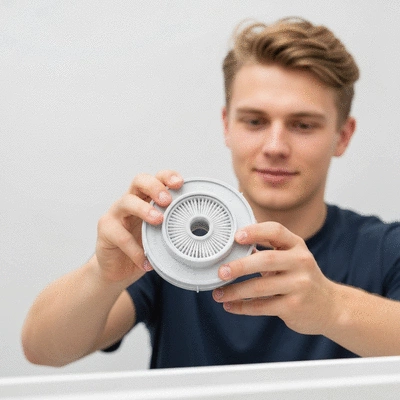
These components are crucial for the proper functioning of your washing machine. Let’s explore how to maintain them effectively.
Cleaning the Pump Filter: Step-by-Step Guide
Cleaning the pump filter is an essential maintenance task. Here’s a quick guide to help you:
- Turn off the washing machine and unplug it.
- Locate the pump filter—usually at the front bottom of the machine.
- Open the filter cover and remove the filter.
- Clean the filter under running water, removing any debris.
- Reinstall the filter and close the cover.
By keeping the pump filter clean, you can prevent leaks related to poor water drainage.
Assessing Water Pump Damage: Signs to Look For
Inspecting the water pump is also crucial. Look for signs like unusual noises, leaks, or if the pump is not removing water effectively. If your pump is damaged, it could be time to call in a professional. Remember, at Appliance Repair Pro, we’re here to help you diagnose and fix these issues!
Checking the Door Seal and Other Seals for Damage
The door seal is often overlooked but plays a vital role in preventing leaks. A worn or damaged seal can lead to water escaping during cycles, so regular inspections are a must.
- Inspecting the door seal for tears or wear
- Understanding the role of the overflow tube
- Identifying problems with gaskets and other seals
Let’s break these down further!
How to Inspect and Replace the Door Seal
To check the door seal, look for cracks or signs of wear. If you notice any, it’s best to replace it. Here’s how:
- Open the washing machine door.
- Carefully pull the old seal away from the door.
- Align the new seal and press it into place.
- Close the door and ensure it seals properly.
Having a good door seal in place is key to keeping your laundry area dry!
Understanding the Role of the Overflow Tube
The overflow tube prevents the washing machine from overflowing. If this tube is clogged or damaged, it can lead to leaks. Regularly check it during maintenance to ensure it’s functioning properly.
Identifying Issues with Gaskets and Other Seals
Finally, don’t forget about gaskets! These seals can wear over time, leading to leaks. Inspect them regularly, and replace any that show signs of damage. For comprehensive advice on other common appliance issues, consider reading our post on appliance repair warning signs.
By understanding and addressing these common causes of leaks, you’ll not only prevent water damage but also extend the life of your washing machine. Remember, if you ever feel overwhelmed, don't hesitate to reach out to us at Appliance Repair Pro. We’re here to provide fast and reliable solutions!
Pro Tip
To prevent leaks in your washing machine, consider implementing a regular maintenance routine. This includes checking hoses for kinks, cleaning the pump filter, and inspecting seals. A proactive approach can save you from costly repairs and ensure your appliance runs smoothly for years to come!
Frequently Asked Questions About Washing Machine Leaks
What are the most common causes of washing machine leaks?
The most common causes include clogs or kinks in the drain hose, damaged or loose inlet hoses, a malfunctioning water inlet valve, clogged pump filters, damaged water pumps, and worn or damaged door seals/gaskets.
How can I prevent my washing machine from leaking?
Regular maintenance is key. This involves frequently checking the drain and inlet hoses for damage or blockages, cleaning the pump filter, inspecting the water inlet valve, and checking the door seal for any signs of wear or tears.
What should I do if I find a leak?
First, turn off and unplug the washing machine. Then, try to identify the source of the leak by inspecting the common culprits mentioned in the article (hoses, seals, filters, valves). If it’s a simple fix like a loose hose connection or a clogged filter, you might be able to resolve it yourself. For more complex issues, it's best to call a professional.
Can a clogged pump filter cause a leak?
Yes, a clogged pump filter can prevent proper water drainage, causing water to back up and potentially leak from the machine.
When should I call a professional for a washing machine leak?
You should call a professional if you cannot identify the source of the leak, if the leak persists after basic troubleshooting, or if you suspect internal component damage (like a faulty water pump or water inlet valve) that requires specialized repair.
Summary of Troubleshooting Your Washing Machine
When it comes to troubleshooting your washing machine, there are a few key takeaways that can make the process smoother. First and foremost, always remember the importance of regular maintenance. This not only prevents leaks but also extends the life of your appliance. Quick diagnostics can help you identify problems before they escalate, saving you both time and money.
Understanding your specific washing machine model can also enhance your troubleshooting efforts. Each brand and model has unique features and quirks. By familiarizing yourself with the manufacturer's guidelines and maintenance tips, you equip yourself with the knowledge needed for effective fixes.
Key Takeaways for Effective Fixing
- Conduct regular inspections to catch issues early.
- Know your machine's manual for model-specific guidance.
- Be prompt in addressing leaks to avoid damage.
- Document repairs and maintenance for future reference.
By keeping these takeaways in mind, you’ll be better prepared to tackle issues as they arise. Plus, it can give you peace of mind knowing that you’re taking proactive steps to care for your appliance!
Importance of Regular Maintenance and Quick Diagnostics
Regular maintenance is key to preventing leaks. Schedule routine check-ups to clean filters, inspect hoses, and ensure everything is in working order. It's much easier to fix small issues than to handle a major breakdown later.
Quick diagnostics are essential as well. If you notice unusual noises or water pooling, take action right away. This could involve checking connections or emptying the pump filter. Even a small leak can lead to larger problems if not addressed swiftly.
Understanding Your Washing Machine Model for Better Troubleshooting
Each washing machine model has its own unique features and specifications. Whether you have a Simpson or a Fisher & Paykel, understanding these nuances can significantly improve your troubleshooting process. Make sure to refer to your user manual for model-specific troubleshooting tips and maintenance schedules.
At Appliance Repair Pro, we often assist customers who come to us with brand-specific issues. By knowing your machine, you'll save valuable time and effort during troubleshooting, making it easier to identify and fix problems as they arise.
Next Steps for Australian Households Facing Leaks
If you're facing leaks and need further assistance, don’t hesitate to take the next steps. First off, it's crucial to find local plumbing services for quick repairs. Many plumbing professionals can quickly assess the situation and suggest efficient solutions to get your washing machine back in shape.
Finding Local Plumbing Services for Quick Repairs
Finding reliable plumbers in your area is essential when facing appliance issues. Here are a few tips to help you choose:
- Ask for recommendations from friends and family.
- Check online directories for local services.
- Look for plumbers with specific experience in appliance repairs.
- Verify their credentials and licenses.
Taking the time to find a trustworthy plumber can save you the headache of poor service. Remember, you want someone who understands the intricacies of washing machines and can provide quick and effective solutions.
How to Choose Reliable Plumbers in Your Area
When evaluating potential plumbers, consider their experience in appliance repair. Look for customer reviews and testimonials that can give insights into their reliability and professionalism. This will help ensure that you’re making an informed decision.
Don’t hesitate to ask questions about their previous work, including warranties for their services. A reliable plumber will be transparent about their process and pricing, helping to build your trust.
Evaluating Customer Reviews for Local Service Providers
Customer reviews are a goldmine of information! Look for consistent positive feedback about the quality of work, timeliness, and customer service. Websites like Google, Yelp, and even local community forums can provide valuable insights.
At Appliance Repair Pro, we always encourage our clients to do their homework. The right technician can make all the difference in resolving your appliance issues efficiently. For urgent issues, consider exploring options for same-day washing machine repair in Brisbane.
Considerations for Warranty Impacts with DIY Repairs
Before you attempt any DIY repairs, it’s essential to understand how this might affect your warranty. Many manufacturers have guidelines that specify who can perform repairs without voiding the warranty. Be sure to check these guidelines!
What You Need to Know Before Attempting Repairs
If you're considering a DIY approach, always weigh the potential risks against the benefits. While a quick fix may seem tempting, it could lead to more significant issues if not done correctly. If you're unsure, it might be best to call in a professional technician.
At Appliance Repair Pro, we’re here to help you navigate these challenges. Our qualified technicians are always ready to assist with any appliance repair needs, ensuring you get the best solutions tailored for your situation!
Recap of Key Points
- Inspect drain hoses for clogs and kinks to prevent leaks.
- Check inlet hoses and connections for damages and ensure they are tightly sealed.
- Regularly inspect the water inlet valve for signs of wear or malfunction.
- Clean pump filters to maintain proper drainage and prevent leaks.
- Assess the water pump for unusual noises or leaks to identify potential damage.
- Regularly check the door seal and other gaskets for tears or wear to avoid leaks during cycles.
- Conduct routine maintenance to extend the life of your washing machine and prevent issues.
- Know your washing machine model for effective troubleshooting and repairs.
- Consider local plumbing services for quick repairs if facing leaks.
- Be aware of warranty impacts when attempting DIY repairs to avoid voiding coverage.